Congratulations. Your USM-94 has arrived and you’ve fulfilled your obligation relative to the Hague Service Convention.

Whether you’re a client who has retained us to file an Article 5 Request on your behalf with a foreign government, or you’ve used the Hague Envoy platform, or you’re one of those intrepid do-it-yourself* practitioners who has decided

(Update, November, 2025: In addition to personal injury suits, the number of anti-trust suits against Novo Nordisk has increased lately as well. Same calculus involved– there’s only one valid way to serve if the company won’t waive. But there are some quirks involved.)

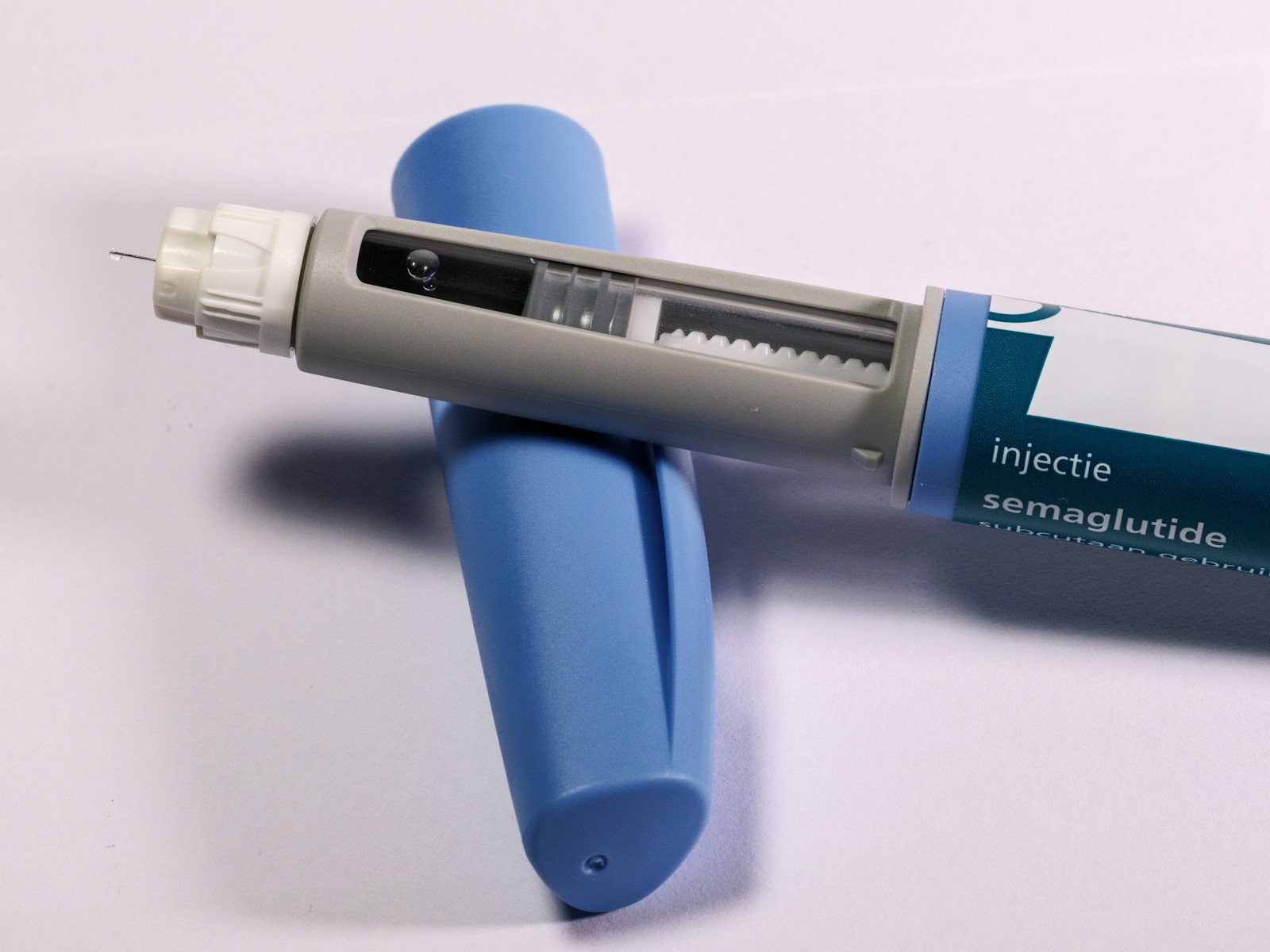
Latest trend in litigation nationwide: Danish pharmaceutical manufacturer Novo Nordisk and its

[Author’s notes: (1) Although this post focuses mainly on entity defendants, we encounter the same problem with individual defendants. Individuals are simply harder to ascertain and locate, just like on this side of the Pacific. And (2) an update a year following publication of this post: not only does the research suggested here help to

Latest trend in litigation nationwide: tire manufacturers, worldwide, sued in the United States for price fixing. These suits are huge, wrangling some of the world’s best known manufacturers from Italy to Germany to Finland to Japan… but the fact that they’re brought under the Sherman Act has no connection to the method by which

Nope. Pull it.

A habit I got into a few years ago: yank the second page of the standard federal Summons in a Civil Action (Form AO440) before sending it overseas for service. That’s the Proof of Service page– a simple set of check boxes and blanks that are completed by a process server when it’s served in Philly, Boston, or Baltimore.

Why do I pull it? Simple. It’s not the proper form to prove service abroad, whether pursuant to Article 5 of the Hague Service Convention or not.Continue Reading If it’s going abroad, pull the second page of the AO440.