
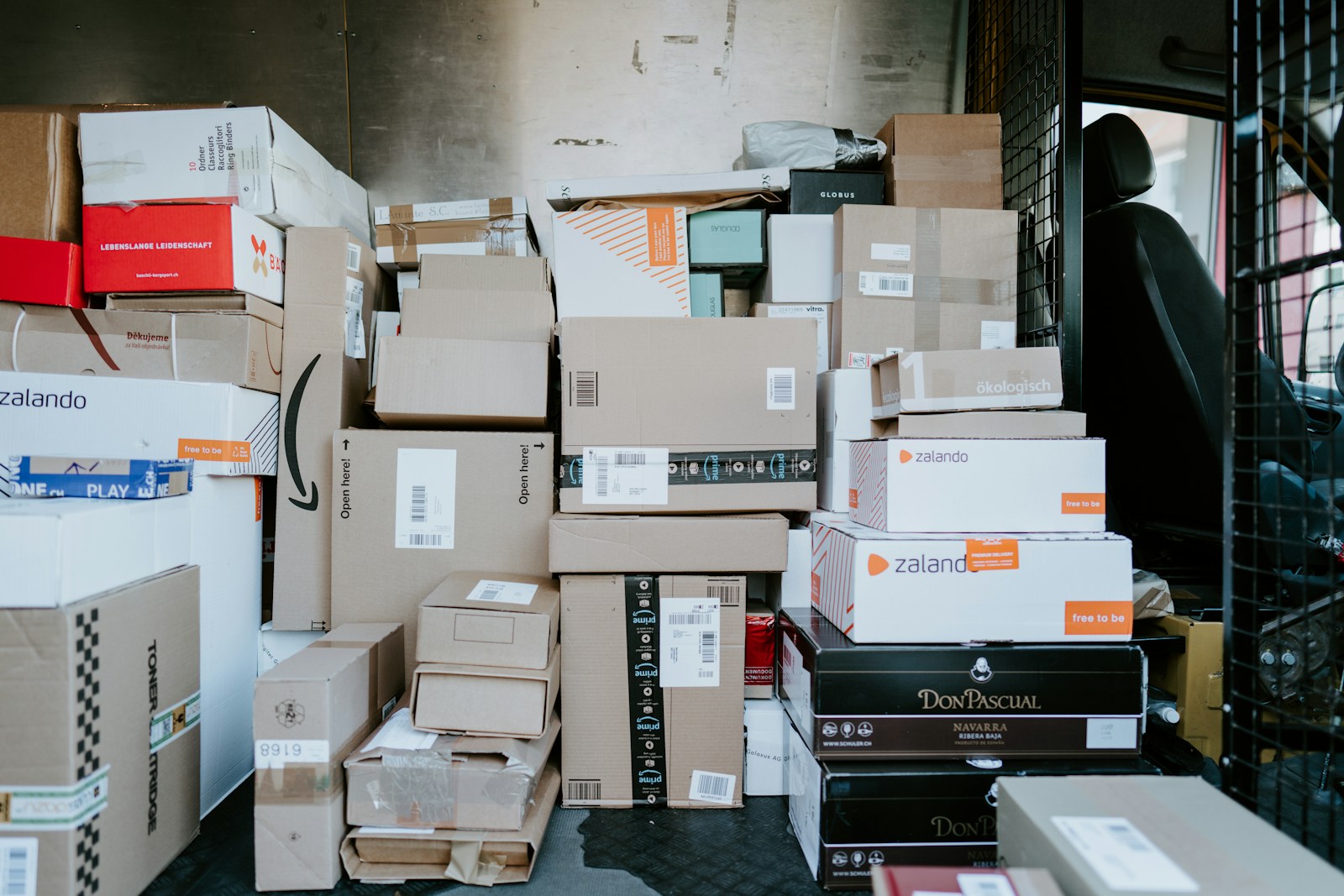
To many colleagues in the IP community, the Kangol case issued by the Seventh Circuit last week, along with with its cousins, Smart Study (2d Cir. 2025) and Lahr (3d Cir. 2024), seems to slam the door shut on intellectual property owners who seek to assert their rights against various Chinese infringers. Dozens, hundreds, even thousands of online retailers use platforms like Amazon and Alibaba and Walmart to peddle wares that blatantly copy trademarks and patents, yet the owners of those marks and patents face an uphill climb to get the bad guys’ storefronts taken down. Admittedly, it can be a tough process, but hopefully, I can soothe some anxiety here among intellectual property litigators, because things aren’t as dire as they seem.
Two years ago, in A Hague-compliant roadmap for service on “Schedule A” defendants, I laid out the necessary progression of steps to achieve proper service. Rather than offering guidance, though, in retrospect I see that it was more an attack on what I considered terrible judicial logic. It really was terrible judicial logic, and the 3d, 2d, and 7th Circuits agree with me, but that’s beside the point. Here’s a much more trimmed down, nuts & bolts guide to how it’s done.
Step 1: Identify the Defendant
First shot out of the gate is to see if the target has a seller profile on Amazon. They’re supposed to, of course, but not all of them do. If they do, great. If not, shoot a subpoena over to Amazon. If even Amazon can’t tell you the target’s true identity, that makes it a whole lot easier to get them taken down. Yes, it’s counterintuitive, but if Amazon can’t identify who’s flooding the market with counterfeits, make Amazon the target of the suit and see how quickly they delete the seller’s storefront.
Step 2: Find ’em.
Address research is critical, as the most frequent failure reasoning we receive from Chinese authorities is “no such defendant at the address provided”. That puts us in a but of a pickle– did we get the name wrong (see Step 1)? Did we get a bad address? Both?
See my 2024 post Chinese company names, flawed addresses, and the high likelihood of Hague Service failure. (Unless you do your homework.) for a rundown on why this is so crucial a step.
Step 3, presuming successful address research:
Send the Hague Request…
… content in the knowledge that you did your homework. Our experience over the past several years is that the research we did in Step 2 not only increases our odds of success– and dramatically so– it also speeds things along. While we usually anticipate having to wait a year or two (<– not a typo) until we receive proof, researched Hague Requests have been coming back in around six months.
Step 3.1, presuming address failure: go 4(f)(3).
It’s counterintuitive, but being unable to ascertain an address actually speeds things up. After a diligent but failed search, you’ll be able to show the court that you tried. The next step is to ask for an electronic service order under Rule 4(f)(3).
Now, I’ve been saying for years that e-service conflicts violently with the Hague Service Convention, but there’s a beautiful safety valve built into Article 1: the Convention doesn’t apply if you don’t know the bad guy’s address. No applicability, no conflict, Bob’s your uncle.
And e-service is due process valid.
No more steps.
Seriously. That’s it.
I hate to get too sales pitchy, but we can take care of all of them. You don’t have to go it alone.